Step 01
Read
Two weeks with your data, your support tickets and your team, so the work aims at the thing that actually costs you money. We come back with the problem in one sentence, and it is rarely the sentence you gave us.

04 / Studio
Senior core, 4 disciplines
A development atelier, judged on what your product does after we leave. A senior core across four disciplines, widened with specialists when a build calls for it, with no handoff between the person who designs it and the one who ships it.
Est. 2026
The short version
No slide deck
What that means in practice
We ask what the number is before we ask what it should look like. Then the same people carry it from that answer all the way to production. Nobody gets to say that's not my part.
What we will not do
Take a project where the interesting decisions have already been made by someone else. Quote a timeline we do not believe. Hand you a system the next team cannot read.
Every project, no exceptions
Step 01
Two weeks with your data, your support tickets and your team, so the work aims at the thing that actually costs you money. We come back with the problem in one sentence, and it is rarely the sentence you gave us.
Step 02
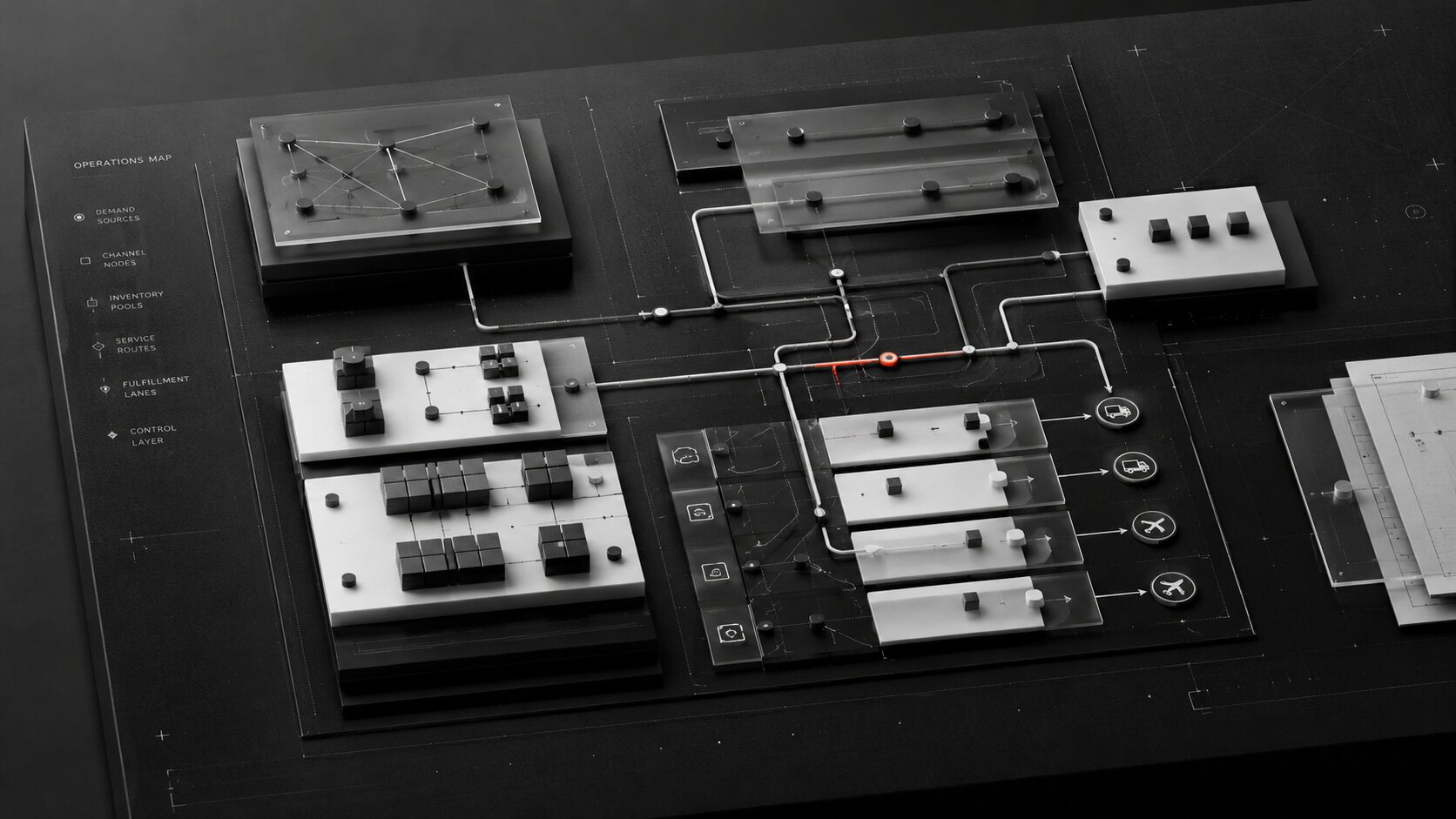
Directions in the browser, at real widths, with your real content, so you are approving the product, not a picture of it. Static comps hide what breaks, so we skip them.
Step 03
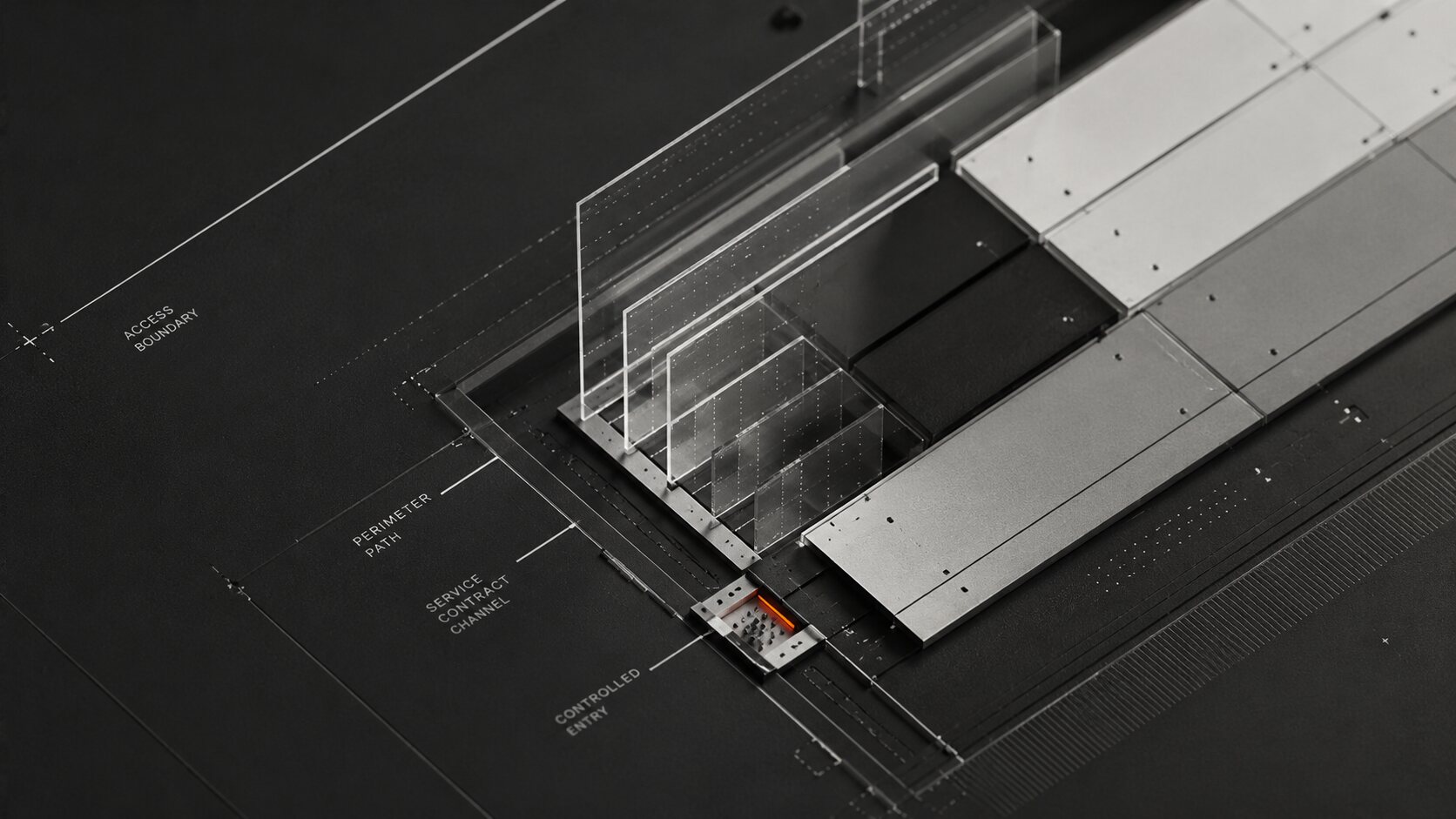
Typed, tested, documented. The design system and the codebase are the same artefact, and they ship together or not at all.
Step 04
The revisit is written into the contract. We come back four weeks after launch, with the real numbers in front of us, and fix what those numbers say to fix, including our own favourite decisions.

Who you actually get
Hover a face, click to openTap a face, tap again to open



The core. Specialists join as a build needs them.
Fullstack Developer · Agentic SWE · Forward Deployment Architect
AI / ML Research Engineer · Product Orchestration Lead
Network Security & Infrastructure Engineer
01 / Keerthan
I build the parts a project stands on, then go out and put them to work in the environment they actually have to run in.
What they do
Product interfaces, backend services, and agentic engineering systems, deployed forward into a client’s own stack rather than handed over at the fence.
How they work
Draw the system first, then build it end to end. The person who scopes a feature is the one who deploys it, so nothing is lost in a handoff.
02 / Vishruth
I work where research meets the roadmap, and make sure what comes out of a model is something a person can actually use.
What they do
Model research and training, retrieval pipelines, evaluation harnesses, and the orchestration that turns all of it into a product.
How they work
Start from the answer a user needs and work backwards to the pipeline. Measure before shipping; a model change never goes out on instinct.
03 / Arav
I keep the ground stable, so what gets built on top of it stays standing.
What they do
Network security, virtualization, container clusters, access control, and system integrity.
How they work
Assume it will be attacked and build accordingly. Security sits inside the build rather than bolted on after it ships.